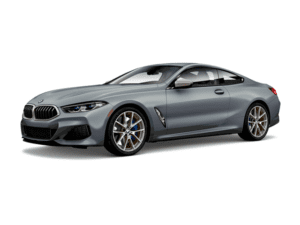
What makes the 2026 Nissan Sentra SV and Hyundai Elantra SEL Sport special are the distinctive features they offer against each other in the compact sedan segment. While other manufacturers chase premium options by neglecting the affordable car market, these two models present strong value to potential drivers by offering a lower-cost ride without compromising performance and, especially, efficiency. This article compares both vehicles to help you determine which is right for your driving needs, whether you’re prioritizing comfort or sporty efficiency. It’s time to take a closer look at each of them.
What’s New
The Nissan Sentra SV gears up for 2026 with a comprehensive generational update, styling itself as an all-new car. Major highlights include a sleeker fastback-style roofline, a completely redesigned interior, and a stronger focus on upscale features. In contrast, the Hyundai Elantra SEL Sport takes a different approach, as the compact sedan carries over largely unchanged. Its primary update for the new model year is the introduction of the SEL Sport Premium trim, which offers improved features. The Elantra SEL Sport package retains its sport-inspired aesthetics and feature set.
Interior Comfort and Features
The interiors of these sedans deliver comfort in distinct ways. The latest Nissan Sentra SV deal stands out with its cohesive and upscale cabin design. Inside, drivers are greeted by dual 12.3-inch displays—a digital gauge cluster and an infotainment touchscreen—offered as standard, creating a modern, tech-forward environment. The Hyundai Elantra SEL Sport emphasizes a driver-focused experience with its futuristic, wraparound cabin design. At the center is an 8-inch touchscreen that supports Apple CarPlay and Android Auto.
Engine Performance and Handling
Both sedans use a 2.0-liter four-cylinder engine, but they differ in tuning and driving character. The Sentra SV produces 149 horsepower and 146 lb-ft of torque, paired with a CVT, and focuses on smoothness and quiet operation. Its independent rear suspension delivers a composed and comfortable ride, ideal for daily commuting. The Elantra SEL Sport produces 147 horsepower and 132 lb-ft of torque, also paired with a continuously variable transmission. Its setup includes a sportier torsion-beam rear suspension, delivering a firmer and more athletic feel through corners.
Fuel Economy
Fuel efficiency is a key area of competition, and this is where the Elantra takes the lead. It achieves an EPA-estimated 30 mpg in the city, 39 mpg on the highway, and 34 mpg combined. The 2026 Nissan Sentra SV follows closely with 30 mpg in the city and 38 mpg on the highway, resulting in 33 mpg combined. While the difference is minimal, it gives you more reason to choose the Elantra SEL Sport instantly. Additionally, the Elantra lineup offers a more efficient hybrid option, which the Sentra does not.
Safety and Technology
Both Hyundai and Nissan emphasize advanced driver-assistance systems. The Sentra comes standard with Nissan Safety Shield 360, which includes automatic emergency braking with pedestrian detection, blind-spot monitoring, rear cross-traffic alert, and intelligent cruise control. The Elantra SEL Sport features the Hyundai SmartSense package, including forward collision-avoidance assist, lane-keeping assist, driver attention warning, blind-spot monitoring, and rear cross-traffic collision-avoidance assist.
To sum up, before choosing between the 2026 Nissan Sentra SV and the Hyundai Elantra SEL Sport, consider what matters most in a daily driver. The Sentra SV is better suited for comfort and a refined ride, while the Elantra SEL Sport appeals to those seeking sportier styling and better fuel economy.
Contact us now at VIP Auto Lease, 1204 Hylan Blvd, Staten Island, NY 10305. 718-477-7888 https://viplease.com/